
techniques play in PCB printed circuit board assembly
In the intricate world of PCB (Printed Circuit Board) assembly, quality is paramount. Even minor defects or inconsistencies can have significant consequences on the functionality, reliability, and longevity of electronic devices. Inspection techniques serve as the frontline defense against such issues, playing a crucial role in ensuring that PCB assemblies meet rigorous quality standards. From visual inspections to automated optical inspection (AOI) and beyond, these techniques are indispensable for identifying defects, verifying assembly accuracy, and safeguarding the integrity of electronic products.
Visual inspection, the most basic form of inspection, remains a cornerstone of pcb printed circuit board assembly quality control. Human inspectors meticulously examine PCB assemblies for anomalies such as solder bridges, misaligned components, missing components, and solder joint defects. While manual visual inspection is labor-intensive and prone to human error, it remains invaluable for detecting subtle defects that may escape automated inspection systems. Moreover, skilled inspectors can provide real-time feedback to assembly operators, facilitating immediate corrective action and preventing defects from proliferating downstream.
Automated optical inspection (AOI) represents a significant advancement in PCB inspection technology, offering speed, accuracy, and repeatability unmatched by manual methods. AOI systems utilize high-resolution cameras and advanced image processing algorithms to scan PCB assemblies for defects with precision and efficiency. By analyzing component placement, solder joints, trace continuity, and solder fillet quality, AOI systems can detect defects with micron-level resolution, ensuring the integrity of PCB assemblies even in high-density, fine-pitch designs.
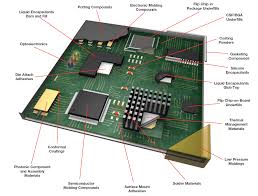
Role do inspection techniques play in PCB printed circuit board assembly?
Furthermore, X-ray inspection has emerged as a powerful tool for inspecting PCB assemblies, especially those with hidden or internal features. X-ray inspection systems utilize penetrating X-rays to reveal internal structures, such as solder joints, vias, and component connections, without the need for physical access. This non-destructive inspection technique is particularly valuable for verifying the integrity of BGA (Ball Grid Array) and QFN (Quad Flat No-Lead) components, which are increasingly prevalent in modern PCB designs. By detecting defects such as voids, cracks, and misalignments, X-ray inspection ensures the reliability and robustness of PCB assemblies in critical applications.
In addition to post-assembly inspection techniques, in-process inspection plays a crucial role in PCB assembly quality control. Real-time monitoring and feedback mechanisms allow manufacturers to identify and address issues as they arise, minimizing the likelihood of defects propagating throughout the production process. Techniques such as solder paste inspection (SPI) and automated component placement verification ensure that each step of the assembly process meets predefined specifications, reducing the incidence of rework, scrap, and rejections downstream.
The role of inspection techniques extends beyond mere defect detection; it encompasses process optimization, continuous improvement, and quality assurance throughout the PCB assembly lifecycle. By analyzing inspection data, identifying trends, and implementing corrective actions, manufacturers can enhance process efficiency, reduce defect rates, and increase overall product quality. Moreover, inspection techniques provide valuable insights into the root causes of defects, enabling proactive measures to prevent recurrence and drive long-term quality improvement initiatives.
In conclusion, inspection techniques are indispensable for ensuring the quality, reliability, and performance of PCB printed circuit board assemblies. From manual visual inspection to advanced automated systems such as AOI and X-ray inspection, these techniques play a multifaceted role in defect detection, process optimization, and quality assurance. As electronic devices become increasingly complex and miniaturized, the importance of inspection techniques in PCB assembly will only continue to grow, underscoring the need for investment in cutting-edge inspection technologies and expertise.
