
Soldering Techniques Used for PCB Fabrication Assembly
When it comes to pcb fabrication assembly, the soldering techniques used can vary depending on the complexity of the circuit board. The most common method for attaching small and delicate components is soft soldering, which involves heating a metal space filler material made of tin-lead alloy with an electric torch to melt it into place. Various types of metals can be joined using this method, but it is most appropriate for copper pads and wire legs on through-hole components. This is the most cost-effective way to solder a circuit board because it does not require a special tooling set-up like a wave or reflow machine.
When using this technique, it is important to prepare the PCB’s surface for soldering by removing any contaminants and cleaning the area thoroughly with an industrial cleaner. A clean surface will allow the metal space filler to adhere properly and form a solid connection with the component’s lead.
The type of solder used will also affect the quality of the finished joint, with different alloys having different melting points and melting temperatures. Some types of metal are more likely to form tin whiskers, which are microscopic flakes of tin that can cause corrosion and electrical shorts. To prevent this, conformal coatings are often applied to the surfaces of metal parts.
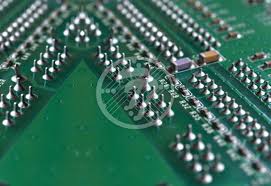
What Are the Soldering Techniques Used for PCB Fabrication Assembly?
Before the soldering process begins, it is important to use a flux to clean the surface of the metal parts and the PCB where they are going to be attached. This chemical compound removes any impurities on the surface of the metal that can interfere with the flow of molten solder. It is often included in the core of solder wire, but can also be purchased separately as a paste or liquid. It is often mixed with a reducing agent to improve the quality of the resulting solder joints.
The next step is to heat the soldering iron and apply it to the solder space filler material, which will be melted and drip down onto the surfaces of the metal components and the PCB. Then, it is necessary to remove any excess solder with a desoldering tool like a solder wick or a solder sucker. Incorrectly positioning the iron or solder can damage the components, so it is important to be aware of what you are doing and practice your skills.
When using this type of mechanical soldering, it is important to have a skilled assembly team to prevent mistakes and maintain quality control. This is especially true when using reflow or wave soldering, which require precise monitoring and the right environment to avoid defects. If the error is not caught in time, it can be very difficult to fix and may result in a defective or unreliable product. Fortunately, soldering and rework tools are readily available to prevent these problems. If the errors cannot be corrected, the damaged components can usually be removed by cutting off the soldering connections with a solder wire cutter or a desoldering tool.
