
Rigid Flex PCB Manufacturer Can Be Used in Audio
Rigid flex circuit boards combine the advantages of rigid and flexible PCB technologies to deliver a powerful solution for compact, resilient, and trustworthy electronic devices. Their application ranges from wearable VR headsets and mobile electronics to smart watches, shoes, rings, and clothes to automotive electronics and controls. Rigid flex circuits are also used in medical equipment and aerospace applications to meet stringent performance, reliability, and durability requirements.
To make a rigid-flex PCB, a combination of rigid and flexible sections are laminated together with copper traces acting as the conductive pathways between layers. This layer stack-up must be carefully analyzed to balance the electrical, mechanical, and thermal requirements of the design while minimizing thickness. The final stack-up must also consider the bend radius and flexibility of the flex section to avoid mechanical stress and ensure reliability.
The flex section may be made of single or double-sided flex layers. They are plated and chemically etched with copper using the same process as rigid-flex cores. The flex layers are then laminated to a substrate with an adhesive or prepreg. Photosensitive etch resist is coated on the surface of the flex layer and exposed using the desired mask pattern. The resulting pads and vias on the flex circuit are drilled, plated through, and etched with copper, creating an electronic component mounting pad or contact. The flex circuit is then cut to the required length, and holes are inserted into the rigid sections of the board for the traces and components.
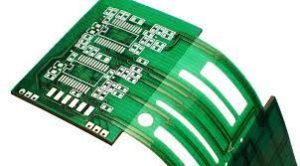
How a Rigid Flex PCB Manufacturer Can Be Used in Audio and Video Equipment
Rigid-flex circuits typically require more copper layers than traditional PCBs, which adds to the cost of production. This makes it important to work closely with a rigid flex pcb manufacturer throughout the design phase to ensure that the rigid and flexible sections of the board are designed and fabricated using the most cost-effective materials and manufacturing processes. The complexities of the layout and structure of a rigid-flex circuit also require careful planning to avoid overlapping, shorting, and other potential issues during production.
A knowledgeable rigid-flex PCB fabricator can bring significant benefits to your project. A fabricator with experience in the technology will have the expertise to ensure a seamless transition from the rigid section of your design to the flex circuitry. They will be able to recommend the best materials and manufacturing process for your project, as well as provide rigorous testing and inspection protocols.
A Rigid-Flex PCB (Printed Circuit Board) manufacturer plays a crucial role in the development and production of sophisticated audio and video equipment. Rigid-flex PCBs combine the best of both rigid and flexible circuit technologies, offering unique benefits that are particularly advantageous in the audio and video electronics industry. This hybrid design enables high-performance, reliability, and compactness, which are essential for modern audio-visual devices.
One of the primary advantages of using rigid-flex PCBs in audio and video equipment is their design flexibility. These PCBs can be bent and shaped to fit into tight spaces, which is particularly beneficial for compact devices like portable music players, cameras, and smart speakers. This flexibility allows manufacturers to create more intricate and innovative designs without being constrained by the rigid layout of traditional PCBs. As a result, products can be more ergonomic and aesthetically pleasing, meeting the demands of both functionality and style.
