
proper heat dissipation in Assembly company pcb
In the intricate world of PCB assembly, proper heat dissipation is critical to ensuring the reliability, performance, and longevity of electronic devices. Heat dissipation refers to the process by which excess heat generated by electronic components is efficiently transferred away from the PCB and dissipated into the surrounding environment. Failure to manage heat effectively can lead to component overheating, thermal stress, and ultimately, device malfunction or failure. As such, assembly companies employ various strategies and techniques to ensure proper heat dissipation in PCB assemblies.
One fundamental aspect of ensuring proper heat dissipation is the design of the PCB layout. Strategic placement of components, traces, and heat-generating elements can significantly impact thermal management in electronic assemblies. Components that dissipate significant amounts of heat, such as processors, power transistors, or voltage regulators, should be positioned to maximize airflow and minimize thermal hotspots. Additionally, thermal vias and heat sinks can be incorporated into the PCB design to enhance heat transfer and distribution, effectively reducing the thermal resistance and improving overall heat dissipation efficiency.
Moreover, selecting appropriate materials for assembly company pcb plays a crucial role in heat dissipation. Thermal conductivity, dielectric properties, and thermal expansion coefficients are essential considerations when choosing PCB substrates and laminate materials. Materials with high thermal conductivity, such as metal-core PCBs or ceramic substrates, facilitate efficient heat transfer from components to the PCB surface and aid in dispersing heat across the board. Additionally, selecting materials with low thermal expansion coefficients helps minimize the risk of mechanical stress and solder joint fatigue caused by thermal cycling, ensuring the reliability and longevity of the PCB assembly.
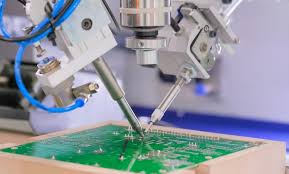
How do you ensure proper heat dissipation in Assembly company pcb?
Furthermore, implementing thermal management techniques during the assembly process is essential for optimizing heat dissipation. Proper soldering techniques, such as reflow soldering or wave soldering, ensure reliable electrical connections while minimizing thermal stress on components and PCB substrates. Controlled soldering temperatures, adequate preheating, and optimized reflow profiles help prevent overheating and thermal damage during the soldering process. Additionally, the use of thermal interface materials, such as thermal pads or thermal compounds, enhances heat transfer between components and heat sinks, further improving heat dissipation efficiency.
Additionally, incorporating passive and active cooling solutions into the PCB assembly can significantly enhance heat dissipation capabilities. Passive cooling methods, such as heat sinks, heat spreaders, or thermal vias, dissipate heat through conduction, convection, and radiation mechanisms. Heat sinks, in particular, are commonly used to dissipate heat from high-power components by increasing the surface area available for heat transfer. Active cooling solutions, such as fans or thermoelectric coolers, actively remove heat from the PCB assembly by circulating air or creating a temperature gradient across the device. By combining passive and active cooling techniques, assembly companies can effectively manage heat dissipation and maintain optimal operating temperatures for electronic components.
Moreover, conducting thorough thermal analysis and simulation studies is essential for predicting and optimizing heat dissipation in PCB assemblies. Advanced simulation tools allow engineers to model heat flow, temperature distribution, and thermal performance under various operating conditions. By simulating different PCB layouts, component placements, and cooling strategies, assembly companies can identify potential thermal bottlenecks and design deficiencies early in the development process, enabling them to implement targeted solutions and optimize heat dissipation efficiency before fabrication.
In conclusion, ensuring proper heat dissipation is essential for maintaining the reliability, performance, and longevity of electronic devices in PCB assembly companies. By incorporating strategic PCB layout design, selecting appropriate materials, implementing thermal management techniques, and utilizing passive and active cooling solutions, assembly companies can effectively manage heat generated by electronic components and prevent thermal issues that could compromise device functionality. Through a holistic approach to thermal management and continuous improvement efforts, assembly companies can meet the challenges of heat dissipation in today’s increasingly complex electronic assemblies and deliver products that exceed customer expectations.
