
handle quality control during Pcba manufacturing
Quality control during Printed Circuit Board Assembly (PCBA) manufacturing is crucial to ensure that the final product meets the desired standards of reliability, functionality, and performance. PCBA manufacturing involves numerous intricate processes, from component selection and soldering to testing and inspection. Each step presents opportunities for errors or defects to occur, making effective quality control measures essential for maintaining product integrity and customer satisfaction.
One of the primary ways to handle quality control during pcba manufacturing is through rigorous inspection and testing protocols at every stage of the production process. This begins with the careful selection and verification of components to ensure they meet the specified requirements and standards. Components that do not meet these criteria can lead to issues later in the assembly process or even after the product is in use, potentially causing costly recalls or repairs.
Once the components have been verified, the assembly process begins, typically involving surface-mount technology (SMT) or through-hole technology (THT) soldering techniques. During soldering, quality control measures such as automated optical inspection (AOI) and X-ray inspection can be employed to identify any defects or anomalies, such as solder bridges, cold solder joints, or component misalignment. These inspections help to catch issues early on, allowing for timely corrections and preventing defective units from progressing further down the production line.
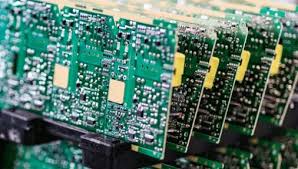
How do you handle quality control during Pcba manufacturing?
In addition to inspecting individual components and solder joints, it is also essential to conduct functional testing of the assembled PCBAs to ensure that they perform as intended. This may involve running automated test programs that simulate real-world operating conditions and verify the functionality of various circuitry and components. Functional testing helps to identify any latent defects or compatibility issues that may not be apparent during visual inspection alone, enabling prompt resolution before the products are shipped to customers.
Furthermore, statistical process control (SPC) techniques can be employed to monitor and analyze manufacturing processes in real-time, allowing for early detection of deviations or abnormalities that could impact product quality. By continuously monitoring key process parameters such as solder paste viscosity, reflow oven temperature profiles, and component placement accuracy, manufacturers can proactively identify and address potential issues before they result in defective products.
In addition to proactive quality control measures, effective documentation and traceability systems are essential for tracking the manufacturing process and identifying the root causes of any quality issues that arise. By maintaining comprehensive records of component sources, production parameters, inspection results, and test data, manufacturers can quickly pinpoint the source of defects and implement corrective actions to prevent recurrence.
Collaboration with component suppliers and contract manufacturers is also crucial for ensuring quality control throughout the PCBA manufacturing process. By establishing clear quality requirements and expectations upfront, manufacturers can minimize the risk of receiving substandard components or encountering production issues that could impact product quality. Regular communication and feedback between all parties involved in the supply chain are essential for maintaining transparency and addressing any quality concerns promptly.
In conclusion, effective quality control during PCBA manufacturing requires a multifaceted approach that encompasses inspection, testing, process monitoring, documentation, and collaboration. By implementing robust quality control measures at every stage of the production process and fostering a culture of continuous improvement, manufacturers can consistently deliver high-quality PCBAs that meet the demands of today’s electronics industry.
